

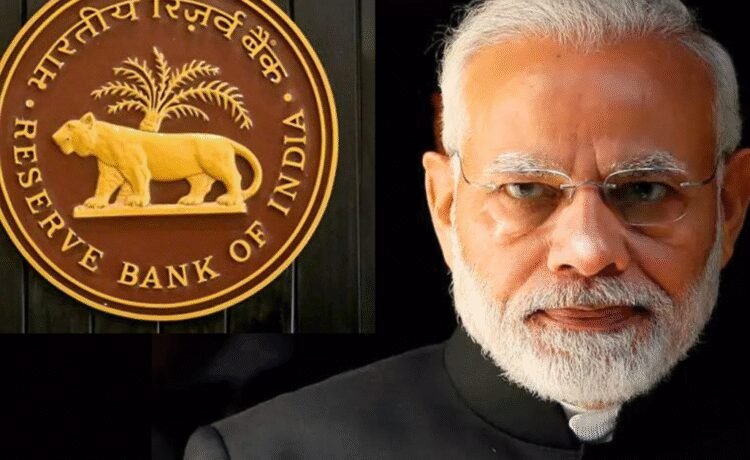
“Deliberated on a wide range of issues relating to India’s economic transformation and long-term development priorities,” Modi posted on X. “Also shared perspectives on adding more momentum to the reforms journey and ensuring Ease of Living as well as Ease of Doing Business.”
Read more: Domestic cooking LPG gas rates increased by Rs 29 per cylinder; Here’s what consumers will now pay
India’s economy grew by a better-than-expected 7.8% in the March quarter from a year earlier, lifting FY26 growth to 7.7%.
The meeting chaired by the PM was attended by principal secretary PK Mishra and principal secretary-2 Shaktikanta Das. Others present included EAC chief Mahendra Dev and members Sanjeev Sanyal, Shamika Ravi and Sanjay Kumar Mishra.


The impact of the conflict in West Asia, consequent supply chain disruptions, concerns over rupee depreciation and steps needed to maintain growth momentum were some of the issues discussed.
Read more: IAF being engaged to transport NEET question papers
Experts have emphasised in the past few days the necessity of pushing ahead with economic reforms.
On Friday, the Centre and the RBI announced steps to strengthen the rupee, attract overseas investors through tax exemptions, broaden the list of securities in which foreigners can invest and increase investment limits for NRIs and OCIs, among others measures. The rupee had strengthened after these were announced on Friday.
The RBI lowered the FY27 growth forecast to 6.6% from 6.9% and raised that for inflation to 5.1% from 4.6% estimated earlier, due to the effects of the Gulf war and an expected weak monsoon that could fuel food inflation. It kept the policy rate unchanged at 5.25% as part of efforts to shore up growth.
The Centre has made concerted efforts in the past few weeks to deal with the impact of the war in West Asia. Prime Minister Modi has appealed to all Indians to adopt austerity measures and avoid non-essential expenditure for a year. These include avoiding foreign destination weddings and buying gold. He had also urged farmers to practice organic farming and avoid the use of fertilisers. The government has assured the public on several occasions that there is no shortage of essential goods.